Exploring Vande Bharat Railway: A New Era in Indian Rail Travel
3/9/20264 min read
Introduction to Vande Bharat Railway
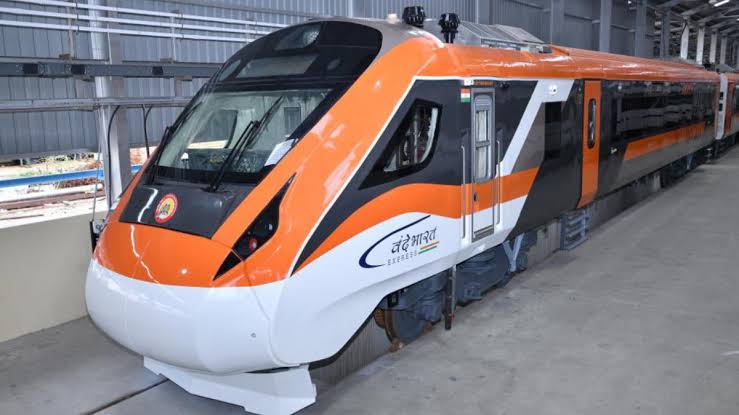
The Vande Bharat Railway, also known as Train 18, symbolizes a significant advancement in the landscape of Indian rail travel. Launched in 2019, this semi-high-speed train was engineered to enhance the overall travel experience by leveraging cutting-edge technology and modern design philosophies. The inception of Vande Bharat Railway marks a departure from traditional train models, emphasizing speed, comfort, and efficiency.
The train is not only notable for its sleek design but also for the innovative features it incorporates. With an operational speed of 160 km/h, the Vande Bharat train is designed to cover long distances in reduced timeframes, thereby bringing an element of convenience to commuters. Furthermore, the railway employs advanced safety mechanisms, automatic doors, and an intuitive passenger information system, making travel seamless and user-friendly.
One of the core aspects of Vande Bharat Railway is its focus on sustainability and eco-friendliness. The trains are equipped with regenerative braking systems which help in reducing energy consumption. Additionally, the train’s lightweight body is constructed using modern materials, ensuring lower operational costs and lesser environmental impact. The design evolves from various international influences, yet resonates with Indian aesthetics, creating a unique identity within the railway network.
The introduction of the Vande Bharat Railway stands as a testament to India's commitment to modernizing its transport infrastructure. As the country aims to fast-track its development agenda, this semi-high-speed train serves as a critical node in enhancing connectivity among urban centers. With an ambitious plan for expansion and further models in the pipeline, Vande Bharat is poised to redefine the way Indian railways operate, setting a new benchmark in operational efficiency and passenger convenience.
Features and Innovations of Vande Bharat Trains
The Vande Bharat trains represent a significant advancement in Indian rail travel, integrating numerous features and innovations that elevate the travel experience. One of the most notable aspects is the high-speed capability of these trains, reaching speeds of up to 160 km/h. This enables faster travel times compared to traditional rail services, thereby making intercity travel more efficient and appealing to passengers.
Passenger comfort has been meticulously considered in the design of Vande Bharat trains. Each coach features reclining seats with ample legroom, spacious aisles, and large windows, allowing for a comfortable journey. Additionally, the inclusion of automatic doors enhances both convenience and safety, ensuring smooth boarding and alighting. Passengers can enjoy the seamless operation without the hassle of manual sliding doors.
Safety measures are paramount in the Vande Bharat system. The trains are equipped with advanced safety features, such as an automatic fire detection system, a train collision avoidance system, and CCTV surveillance for improved security. These innovations have been implemented to ensure that passengers can travel with peace of mind, knowing that their safety is a priority.
Onboarding facilities further enhance the travel experience. Each train comes with a GPS-based passenger information system that provides real-time updates on the train's status, estimated arrival times, and other relevant notifications. Furthermore, advanced catering services offer a variety of meal options, catering to diverse tastes and preferences, thus ensuring that passengers are well-nourished during their journey.
In conclusion, the Vande Bharat trains serve as a pioneering force in Indian railways, blending innovation with practicality to offer an unparalleled travel experience. Their features underscore a commitment to enhancing passenger comfort and safety, setting a new standard for the future of rail travel in India.
Routes of Vande Bharat Railway
The Vande Bharat Railway, also known as Train 18, has transformed Indian rail travel by introducing a semi-high-speed train service that significantly enhances connectivity across the country. The operational routes of Vande Bharat Railway cover a myriad of important cities, effectively linking regions and providing passengers with faster travel options. Currently, there are multiple routes operational, each strategically chosen to bolster regional accessibility and economic growth.
One of the key routes connects Delhi to Varanasi, covering a distance of approximately 759 kilometers. This route not only connects the national capital to the spiritual heart of India but also facilitates trade and tourism, contributing to the economy of both regions. Similarly, the Delhi to Katra route is crucial for pilgrims traveling to the revered Vaishno Devi shrine, enhancing the overall pilgrimage experience with its efficient service.
Another noteworthy route is the Mumbai to Ahmedabad corridor, stretching around 491 kilometers. This route serves as a vital link between two of India's major economic hubs, aiding in the movement of goods and people alike. Additionally, the route from Chennai to Mysuru is pivotal for the southern economy and attracts considerable tourism, providing access to exquisite temples and biodiverse landscapes.
The Kolkata to Patna connection, covering about 606 kilometers, is another essential link, fostering economic ties and enhancing connectivity between eastern and northern India. Each of these routes not only represents logistical efficiency but also highlights the cultural and economic significance of the regions they connect.
In terms of tourism, key attractions such as the Taj Mahal along the Agra route or the Ajanta and Ellora caves near Nashik serve to enrich the travel experience. The introduction of Vande Bharat trains along these routes has generated new opportunities for local businesses and tourism, showcasing the pivotal role of rail transport in India's growth story.
Impact of Vande Bharat Railway on Indian Railways and Future Prospects
The introduction of Vande Bharat Railway marks a significant transformation in the landscape of Indian Railways, symbolizing a shift towards modernization and efficiency in train travel. One of the most notable impacts is the reduction in travel time; the high-speed train can cover long distances in considerably shorter periods compared to conventional trains. This time efficiency benefits both business and leisure travelers, making rail travel a more attractive option in a fast-paced environment.
Passenger experience has also seen marked improvements since the inception of the Vande Bharat trains. Equipped with innovative features such as automatic doors, GPS-based passenger information systems, and onboard catering services, these trains are tailored to meet the demands of the modern traveler. Enhanced cleanliness and safety measures further emphasize the commitment to passenger satisfaction, leading to an increased ridership. With growing popularity, the revenue generated from the Vande Bharat services is expected to bolster the financial health of Indian Railways, helping it to reinvest in further developments.
Looking ahead, there are ambitious plans for the expansion of the Vande Bharat Railway services across the country. The government has laid out proposals to introduce new routes that connect major metropolitan areas as well as underserved regions, facilitating increased accessibility. In tandem, modernization efforts are underway to upgrade existing railway infrastructure, ensuring that the advancements seen in new trains are replicated across the network. These initiatives not only aim to enhance efficiency and comfort but also promote sustainable travel practices, thereby contributing to a greener future for Indian Railways.