Harnessing the Power of Solar Plates: A Sustainable Alternative to Electricity
7/25/20252 min read
Introduction to Solar Plates
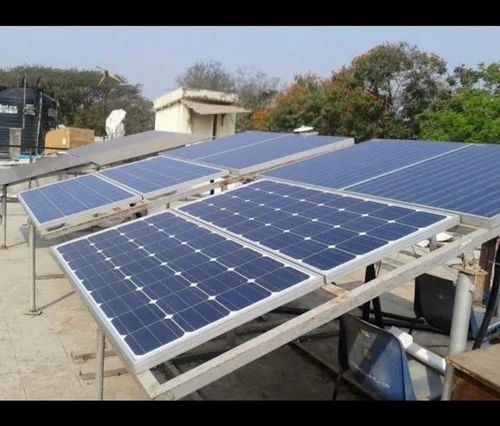
In recent years, the global demand for sustainable energy sources has significantly increased. Among these alternatives, solar plates have emerged as a leading solution for harnessing solar energy. These photovoltaic devices convert sunlight into electrical energy, making them an integral component of modern renewable energy systems.
Uses of Solar Plates
Solar plates, also known as solar panels, are versatile tools that have a variety of applications. One of the most common uses is in residential areas, where they are utilized to power homes and reduce reliance on traditional electricity sources. By installing solar plates on rooftops, homeowners can generate their own electricity, thereby lowering utility costs and contributing to a sustainable energy future.
Moreover, these innovative devices are not limited to residential use; they are also widely adopted in commercial and industrial settings. Businesses are increasingly investing in solar panels to mitigate energy costs and enhance their environmental responsibility. Additionally, solar plates are used in remote locations where traditional electricity infrastructure is not feasible, providing crucial power for communication, medical facilities, and even agricultural operations.
The Importance of Solar Plates for the Environment
The environmental benefits of solar plates are profound. Unlike fossil fuels, which emit greenhouse gases and contribute to climate change, solar energy is a clean and renewable resource. By reducing dependency on non-renewable energy sources, solar plates help to decrease carbon footprints and promote sustainability. They also minimize air and water pollution, creating a healthier ecosystem for future generations.
Furthermore, the use of solar plates contributes to energy independence. As countries strive to reduce their reliance on imported fuels, harnessing solar energy offers an attractive solution. This shift not only promotes energy security but also fosters economic growth through the creation of green jobs in the renewable energy sector.
Conclusion
In conclusion, solar plates represent a groundbreaking innovation in the quest for sustainable energy solutions. Their ability to convert sunlight into usable electricity provides numerous benefits for individuals, businesses, and the environment alike. As we continue to confront the challenges of climate change and energy crises, the adoption of solar plates stands as a crucial step towards creating a more sustainable and ecologically responsible future.